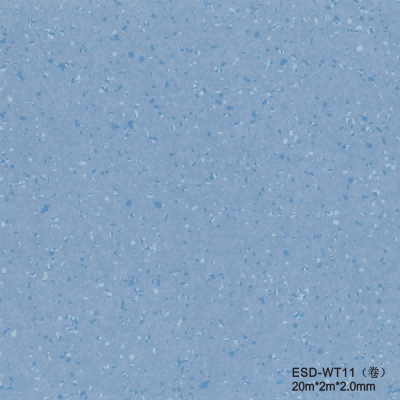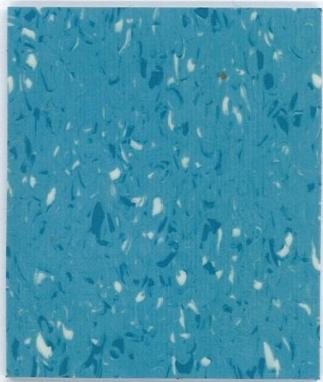


Anti-static Ceramic Tile Veneer
Deliver uncompromising durability and static control to your critical environments with the Anti-static Ceramic Tile Veneer from Huahong. Designed for the most demanding spaces, this premium veneer offers exceptional resistance to scratches, chemicals, and moisture. Its high-density ceramic surface provides a luxurious, seamless finish while permanently dissipating static charges (10⁶-10⁹ Ω). Perfect for high-end data centers, hospitals, and electronics manufacturing facilities requiring strict ESD control and easy maintenance.
Send Inquiry
Product Description
|
Anti-static Ceramic Tile Veneer The Ultimate Combination of Luxury, Durability, and Permanent ESD Protection |
| Engineered for the most demanding environments, offering extreme scratch resistance, zero moisture absorption, and a premium aesthetic finish. |
|
Premium ceramic surface with permanent ESD properties.
|
Why Choose Ceramic Over HPL or PVC? While HPL and PVC are common choices, Ceramic Tile Veneer stands out in high-abrasion and moisture-prone environments. The ceramic surface is virtually impervious to scratches from heavy server carts or dropped tools. It will not blister, peel, or degum even after years of intensive use. Permanent & Stable ESD Protection The anti-static performance is fired directly into the ceramic matrix. Unlike surface coatings, this permanent dissipative property (10⁶–10⁹ Ω) never wears off. Furthermore, the tile is waterproof, fireproof, and anti-corrosive, maintaining perfect dimensional stability across varying humidity levels. |
Technical Specifications
| Property | Specification / Performance |
|---|---|
| Material | High-density Anti-static Ceramic Tile |
| Surface Resistivity | 10⁶ – 10⁹ Ω (Permanent Static Dissipative) |
| Wear Resistance | Extreme (Highly resistant to heavy traffic and scratches) |
| Water Absorption | ≤ 0.5% (Waterproof and moisture-proof) |
| Fire Resistance | Class A (Non-combustible) |
| Corrosion Resistance | Excellent (Resists most chemical and acid spills) |

Anti-static Ceramic Tile Veneer applied to raised access floor panels.
Integration & Related Solutions
This ceramic veneer is typically factory-bonded to high-strength substrates like Calcium Sulfate Anti-static Floor or All Steel Anti-static Activity Floor. For environments where a softer or more budget-friendly surface is required, you can explore our High Pressure Laminate Anti-static Tile Veneer or the Conductive and Static Dissipative Vinyl Tile. If your facility requires specific aesthetic requirements without dark carbon marks, our Carbon-free anti-static Veneer is an excellent alternative.
【Anti-static Ceramic Tile Veneer】FAQ
|
Q: How does ceramic tile veneer compare to HPL or PVC in terms of durability? A: Ceramic tile offers significantly higher scratch and wear resistance. HPL and PVC can scuff or dent under heavy rolling loads. The ceramic surface is almost as hard as stone, making it virtually impossible to scratch with standard server carts or dropped tools. It also will not blister or degum in high-humidity environments, ensuring a longer lifespan. |
|
Q: Does the anti-static performance degrade over time? A: No. The anti-static property is deeply integrated into the ceramic material itself during the firing process, rather than being a surface coating. This means the resistivity remains stable (10⁶–10⁹ Ω) throughout the lifespan of the floor. It does not require any anti-static waxes or sprays, keeping maintenance costs extremely low. |
|
Q: Is ceramic tile veneer difficult to install or replace? A: The veneer is factory-bonded to the access floor panels (such as steel or calcium sulfate). Installation is as simple as laying standard raised floor panels. If a panel is damaged, it can be quickly lifted using a suction cup and replaced with a new one. There is no messy on-site tiling or grouting required, ensuring rapid deployment. |
Related Category
Send Inquiry
Please Feel free to give your inquiry in the form below. We will reply you in 24 hours.