


High Pressure Laminate Anti-static Tile Veneer
The High Pressure Laminate Anti-static Tile Veneer is the industry standard for computer room flooring, utilized in over 90% of data center applications. Factory-laminated directly to the substrate, this high-density surface offers permanent static dissipation (10⁶-10⁹ Ω) without the need for waxes or sprays. It is highly wear-resistant, impact-resistant, and easy to clean. Available in multiple colors, it perfectly combines durability with a professional finish for server rooms, cleanrooms, and electronics manufacturing facilities.
Send Inquiry
Product Description
| High Pressure Laminate Anti-static Tile Veneer | The Industry Standard for 90% of Data Centers Factory-laminated HPL surface for superior wear resistance, permanent static dissipation, and effortless maintenance. |
|
Market Share 90% Usage |
Surface Resistivity 10⁶ - 10⁹ Ω |
Maintenance No Wax Needed |
Installation Factory-Laminated |
What is HPL Anti-static Tile Veneer?
|
High Pressure Laminate (HPL) is a high-density decorative surface layer that is factory-bonded directly to the raised floor substrate (such as steel or calcium sulfate) under extreme heat and pressure. It is not a simple coating or vinyl sticker; it forms an integral, structural part of the panel. Because HPL offers an optimal balance of hardness, fire resistance, and anti-static performance, it is the most widely used surface finish for data centers and computer rooms globally. Key Advantages:
|
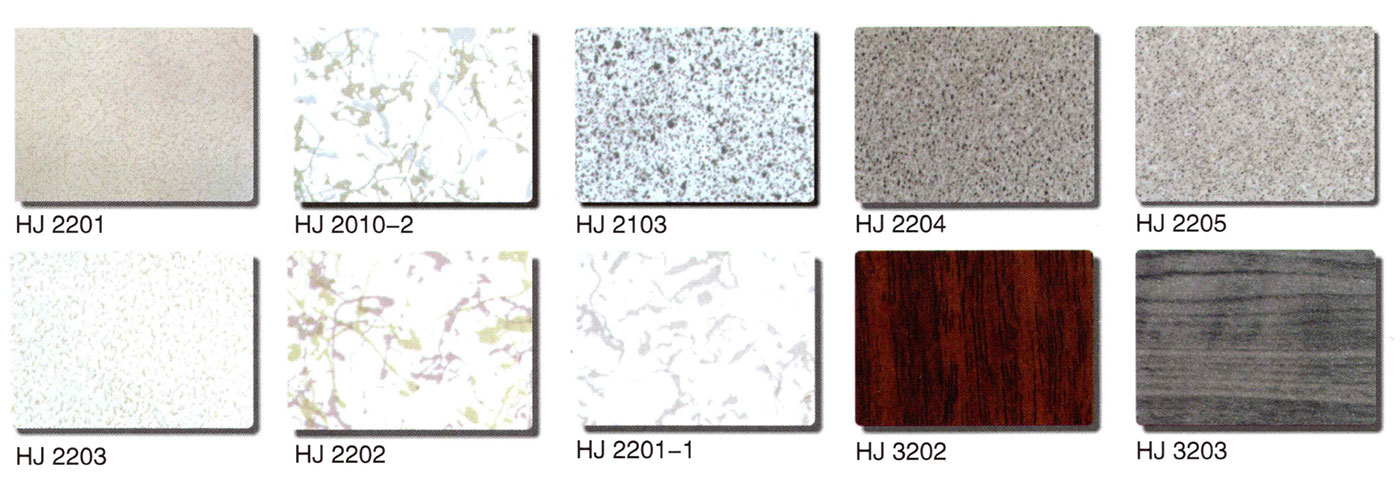 High Pressure Laminate (HPL) surface layer. |
Technical Specifications
| Property | Specification / Performance |
|---|---|
| Material | High Pressure Laminate (HPL) with embedded conductive fibers |
| Surface Resistivity | 10⁶ – 10⁹ Ω (Permanent Anti-static) |
| Wear Resistance | Excellent (withstands heavy foot traffic and rolling chairs) |
| Fire Resistance | Class A / FV-1 grade (Non-combustible) |
| Thickness | 1.0 mm – 1.5 mm (standard layer) |
| Color Options | Standard Light Gray, Dark Gray, or Customizable |
High Pressure Laminate Anti-static Tile Veneer for raised floors.
Applications & Related Substrates
HPL anti-static veneers are factory-bonded to various core panels to create high-performance flooring systems. To build a complete solution, explore our Calcium Sulfate Anti-static Floor for maximum flatness, or the All Steel Anti-static Activity Floor for high load capacity. If you require a softer, more comfortable surface underfoot, consider our Anti-static PVC Veneer or HPL Anti-static Tile Veneer.
【High Pressure Laminate Anti-static Tile Veneer】FAQ
|
Q: Why does HPL dominate 90% of data center applications? A: HPL offers the best balance of hardness, fire resistance, and anti-static performance. Unlike PVC or bare steel, the high-pressure laminate surface easily withstands heavy rolling loads (like server carts) and resists scratches. Moreover, it requires zero maintenance—just standard cleaning—whereas other materials might require anti-static waxes or sprays over time. |
|
Q: Does the anti-static performance wear off over time? A: No. The anti-static property of HPL is not a surface coating; it is achieved by integrating conductive fibers directly into the laminate core during the manufacturing process. This guarantees a permanent surface resistivity of 10⁶ – 10⁹ Ω throughout the entire lifespan of the floor, ensuring reliable protection for sensitive electronics. |
|
Q: Can the HPL veneer peel or delaminate from the panel? A: Not when properly manufactured. At Huahong, the HPL is bonded directly to the substrate (steel or calcium sulfate) using a high-temperature, high-pressure lamination process. This creates a chemical and mechanical bond that is highly resistant to peeling, even in humid environments. Quality is strictly verified by our dual-brand control standards. |
Hot Tags: HPL Anti-static Tile Veneer
Related Category
Send Inquiry
Please Feel free to give your inquiry in the form below. We will reply you in 24 hours.