

Why Is Anti-static HPL Raised Floor Essential for Modern Facilities?
Article Summary
Anti-static HPL Raised Floor systems play an important role in environments where electrostatic discharge (ESD) can damage sensitive electronic equipment, interrupt operations, or compromise product quality. By combining high-pressure laminate surface materials with a properly designed raised access floor structure and grounding system, these floors provide a practical solution for controlling static electricity while maintaining convenient access to underfloor services.
This guide explains how anti-static HPL raised floors work, their key advantages, suitable applications, material considerations, installation requirements, and maintenance practices. It also provides practical purchasing advice to help facility managers, contractors, and engineering professionals select a reliable flooring system for their projects.
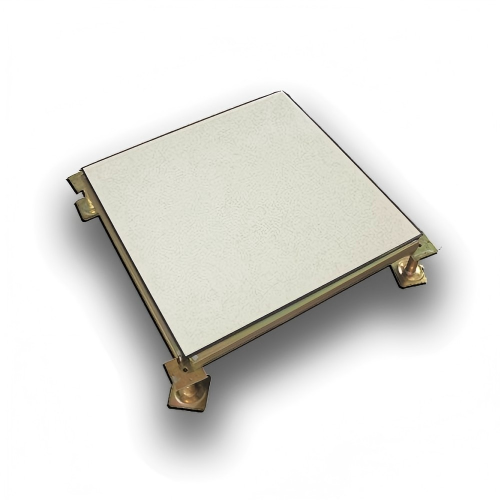
Table of Contents
- Why Is Anti-static HPL Raised Floor Important?
- What Is an Anti-static HPL Raised Floor?
- How Does Anti-static HPL Raised Floor Control Static Electricity?
- What Are the Main Advantages?
- Where Is Anti-static HPL Raised Flooring Used?
- How to Choose the Right Anti-static HPL Raised Floor
- What Installation Factors Should Be Considered?
- How to Maintain Anti-static HPL Raised Floors
- Common Problems and Practical Solutions
- Why Work with an Experienced Raised Floor Manufacturer?
- Frequently Asked Questions
- Final Considerations
Article Outline
This article follows a practical decision-making process: understand the risks of static electricity, learn the construction and working principles of HPL raised flooring, evaluate its performance and applications, select suitable specifications, and ensure correct installation and long-term maintenance.
01 / INDUSTRY BACKGROUND
Why Is Anti-static HPL Raised Floor Important?
Modern industrial and commercial facilities depend on increasingly sophisticated electronic equipment. From computer servers and communication systems to semiconductor production lines and precision testing instruments, many devices are sensitive to electrostatic discharge. Even a small static discharge that cannot be felt by people may cause electronic component failure, data errors, or unexpected equipment downtime.
Static electricity is commonly generated through friction, contact, and separation between materials. Personnel walking across ordinary flooring, moving equipment, and handling packaging materials can all contribute to electrostatic charge accumulation. When this charge is suddenly released, sensitive electronic components may be damaged.
This is why flooring selection is an important part of an effective electrostatic control strategy. Anti-static HPL raised floor systems provide a functional surface while supporting an engineered grounding arrangement.
Key point: Anti-static flooring should not be viewed as an isolated product. Its performance depends on the floor panels, conductive or dissipative components, grounding connections, installation quality, footwear, environmental conditions, and the facility's overall ESD control procedures.
For data centers, laboratories, electronics manufacturing plants, and other controlled environments, selecting an appropriate flooring system can help reduce static-related risks and improve daily operational reliability.
02 / PRODUCT KNOWLEDGE
What Is an Anti-static HPL Raised Floor?
An anti-static HPL raised floor is an access flooring system that uses high-pressure laminate (HPL) as its top surface material. The HPL finish is engineered for electrostatic control and is installed on a raised floor panel supported by an adjustable pedestal and, where required, a stringer system.
Unlike conventional flooring installed directly on a concrete slab, raised access flooring creates an accessible space beneath the walking surface. This space can accommodate electrical cables, communication lines, data connections, and other building services.
Understanding the Main Components
A typical anti-static HPL raised floor system consists of several components working together:
- HPL surface layer: Provides a durable, decorative, and easy-to-clean walking surface with electrostatic control characteristics.
- Core panel: Commonly manufactured using calcium sulfate, woodcore, or other engineered materials, depending on the required performance.
- Bottom layer: Helps protect the panel structure and contributes to its overall stability.
- Pedestal system: Supports the panels and allows the finished floor height to be adjusted.
- Stringers: Connect pedestals horizontally in compatible systems to improve structural stability.
- Grounding connections: Connect the appropriate conductive components to the facility's grounding network according to the approved design.
Why Choose High-Pressure Laminate?
High-pressure laminate is produced by bonding multiple layers of material under controlled heat and pressure. It offers a hard, compact surface that is suitable for environments requiring frequent movement, regular cleaning, and consistent appearance.
When specifically designed for anti-static applications, the surface can help dissipate electrostatic charges rather than allowing uncontrolled accumulation. Its actual electrical performance must be verified through appropriate product testing rather than assumed from the HPL material name alone.
03 / WORKING PRINCIPLE
How Does Anti-static HPL Raised Floor Control Static Electricity?
The main purpose of an anti-static flooring system is to manage electrostatic charge in a controlled manner. Instead of allowing charge to accumulate on the floor surface and discharge suddenly, the system is designed to provide a suitable path for charge dissipation.
1. Electrostatic Charge Dissipation
Specially formulated anti-static HPL surfaces are designed to provide controlled electrical resistance. Depending on the product specification, the surface may be classified as conductive or static-dissipative. These properties influence how quickly electrical charge can move across or through the flooring system.
2. Electrical Grounding
The raised floor structure can be incorporated into a grounding design through suitable conductive connections. These connections provide a controlled path for electrostatic charge to reach the grounding network.
3. Integration with Personnel and Equipment Protection
Flooring alone cannot guarantee complete ESD protection. Personnel may also need appropriate ESD footwear, wrist straps for certain tasks, grounded workstations, and other protective measures. The flooring system must be evaluated as part of the complete ESD protection program.
Understanding Electrical Resistance
Electrical resistance is commonly measured in ohms (Ω). Different applications require different resistance ranges and test methods. Buyers should confirm the applicable classification, measurement conditions, and acceptance criteria with their project engineer or relevant ESD standard.
A reliable anti-static floor should have documented electrical performance. Ask for test reports that identify the test method, measurement conditions, sample configuration, and measured resistance values.
04 / PRODUCT BENEFITS
What Are the Main Advantages of Anti-static HPL Raised Floor?
1. Helps Protect Sensitive Electronic Equipment
Electrostatic discharge can damage sensitive electronic components without producing visible evidence. An appropriately specified anti-static flooring system helps control one potential source of electrostatic accumulation, supporting safer operating conditions in electronic and technical environments.
2. Convenient Underfloor Cable Management
One of the most practical advantages of raised access flooring is the accessible space below the panels. Data cables, power lines, and communication infrastructure can be organized beneath the floor instead of occupying valuable workspace.
This arrangement makes future maintenance, cable replacement, and system upgrades more convenient when compared with installations that require extensive surface-level cable routing.
3. Durable and Wear-resistant Surface
HPL surfaces are designed to withstand normal operational wear. In facilities with regular foot traffic and equipment movement, the surface can help maintain a professional appearance when properly selected and maintained.
4. Flexible Floor Layout
Raised access panels can be removed and reinstalled when technicians need to access underfloor services. This flexibility is especially useful in data centers and technical rooms where infrastructure may change over time.
5. Easier Routine Cleaning
The compact HPL surface is generally straightforward to clean using suitable methods. Proper maintenance helps preserve its appearance and avoids unnecessary damage to the anti-static finish.
6. Supports Organized Facility Management
By integrating cable routing, access flooring, and electrostatic control into one coordinated system, facilities can improve workspace organization and simplify certain maintenance tasks.
05 / APPLICATIONS
Where Is Anti-static HPL Raised Flooring Used?
Anti-static HPL raised flooring is suitable for a variety of environments where electrostatic control, accessible infrastructure, and a durable floor surface are important.
Data Centers and Server Rooms
Data centers contain servers, switches, storage devices, and power distribution equipment. Raised floors provide an organized route for cables and can support underfloor air distribution in appropriately designed facilities. Anti-static surfaces help address electrostatic risks associated with equipment handling and personnel movement.
Electronics Manufacturing Facilities
Electronic assembly and testing operations often involve components that are sensitive to electrostatic discharge. Anti-static flooring can form part of an ESD-controlled production environment, helping manufacturers maintain consistent handling conditions.
Semiconductor and Precision Laboratories
Semiconductor facilities and precision laboratories require careful environmental control. Flooring selection should consider electrical performance, cleanliness, load capacity, and compatibility with other facility systems.
Telecommunication Equipment Rooms
Communication infrastructure rooms contain sensitive networking equipment and extensive cable connections. Raised access flooring provides a practical solution for managing these services while supporting maintenance access.
Control Rooms and Testing Centers
Industrial control rooms, instrument testing facilities, and technical operation centers may also benefit from flooring systems that combine static control with accessible underfloor space.
| Application | Main Requirement | Important Consideration |
|---|---|---|
| Data centers | Static control and cable management | Load capacity and underfloor design |
| Electronics factories | ESD protection | Verified electrical resistance |
| Semiconductor facilities | Controlled operating environment | Cleanliness and system compatibility |
| Telecommunication rooms | Organized infrastructure | Maintenance accessibility |
| Testing laboratories | Equipment protection | Stable installation and grounding |
06 / BUYING GUIDE
How to Choose the Right Anti-static HPL Raised Floor
Selecting the right flooring system requires more than comparing surface appearance or unit price. Buyers should evaluate the complete panel structure, electrical properties, mechanical performance, installation conditions, and long-term operating requirements.
1. Confirm the Required Electrical Performance
Start by identifying whether the project requires conductive or static-dissipative flooring. These classifications are not interchangeable. Confirm the applicable resistance range and test requirements with the ESD consultant or project specification.
2. Evaluate the Core Material
Different core materials offer different structural and environmental characteristics.
- Calcium sulfate core: Commonly selected for projects requiring a stable, non-combustible core material and specific acoustic or structural properties.
- Woodcore: Often used where project budgets, panel weight, and established access-flooring designs are important considerations.
- Other engineered cores: May be available for specialized load, environmental, or project requirements.
The most suitable option depends on the building environment, design specification, and required performance documentation.
3. Check Load-bearing Capacity
Raised floor panels must safely support the expected loads. Buyers should distinguish between concentrated load, ultimate load, uniform distributed load, and rolling load. These values describe different loading conditions and should not be treated as equivalent.
Consider the weight of cabinets, racks, equipment, moving carts, and maintenance personnel. Also evaluate pedestal spacing and the structural configuration of the complete system.
4. Consider Panel Dimensions and Floor Height
Common panel dimensions may include 600 × 600 mm, but actual sizes and thicknesses vary by manufacturer and system. The finished floor height should be determined according to cable capacity, air distribution requirements, access needs, and building constraints.
5. Request Relevant Product Documentation
Before purchasing, request technical documents that support the product's stated performance.
- Product specifications and panel construction details.
- Electrical resistance test reports.
- Load-bearing and structural performance reports.
- Fire performance documentation where required.
- Material and quality inspection records.
- Installation recommendations and maintenance guidance.
6. Evaluate the Manufacturer's Production Capability
A reliable supplier should be able to explain its manufacturing process, quality control procedures, product options, and project support capabilities. Clear communication is particularly important for international buyers managing technical specifications and delivery schedules.
07 / INSTALLATION
What Installation Factors Should Be Considered?
Even a high-quality anti-static HPL raised floor may not deliver its expected performance if installation is poorly executed. Proper preparation and systematic inspection are essential.
Step 1: Inspect the Subfloor
The concrete subfloor should be sufficiently dry, clean, level, and structurally suitable. Any significant surface defects should be addressed before pedestal installation.
Step 2: Establish the Floor Layout
Prepare a layout based on room dimensions, equipment positions, cable routes, access requirements, and panel orientation. This helps reduce unnecessary cutting and improves installation efficiency.
Step 3: Install Adjustable Pedestals
Position and adjust the pedestals according to the approved spacing and elevation requirements. Verify their alignment and stability before installing the panels.
Step 4: Install Stringers Where Required
For systems designed with stringers, install the connecting members according to the manufacturer's instructions. The correct configuration helps maintain the intended structural performance.
Step 5: Position the Floor Panels
Install the panels carefully, checking joint gaps, surface alignment, and levelness. Avoid forcing panels into place or leaving unstable edges.
Step 6: Complete Grounding Connections
Connect the flooring system to the designed grounding network using approved components and methods. Grounding continuity should be checked by qualified personnel.
Step 7: Conduct Final Testing
After installation, inspect the complete floor for panel stability, height consistency, structural issues, and electrical performance. Testing should follow the applicable project standards and documented acceptance procedures.
Installation reminder: Do not assume that placing anti-static HPL panels on ordinary pedestals automatically creates an effective ESD floor. The complete system and its grounding arrangements must be designed, installed, and tested together.
08 / MAINTENANCE
How to Maintain Anti-static HPL Raised Floors
Regular maintenance helps preserve the appearance, structural stability, and electrical performance of anti-static raised flooring. A consistent maintenance plan can also identify minor problems before they develop into expensive repairs.
Daily and Routine Cleaning
- Remove dust and loose particles using suitable cleaning equipment.
- Use a slightly damp cloth or an approved floor-cleaning method.
- Avoid excessive water and aggressive chemical cleaners.
- Follow the manufacturer's instructions for cleaning products.
Periodic Structural Inspection
- Check for loose, uneven, or damaged panels.
- Inspect pedestal stability and visible support connections.
- Look for damaged panel edges or surface delamination.
- Check that access panels are correctly repositioned after maintenance.
Electrical Performance Inspection
Anti-static properties can be influenced by contamination, surface wear, unsuitable cleaning chemicals, environmental conditions, and changes to grounding connections. Electrical performance should therefore be checked periodically according to the facility's ESD control plan.
Where resistance measurements are required, use appropriate calibrated instruments and the specified testing procedure. Record the results so that changes can be identified over time.
Protect the Surface from Unnecessary Damage
Use appropriate protective measures when moving heavy equipment. Avoid dragging sharp metal objects across the surface. Replace damaged panels with compatible products that meet the original technical requirements.
09 / TROUBLESHOOTING
Common Problems with Anti-static HPL Raised Floors and Practical Solutions
Understanding common flooring problems helps facility managers respond quickly and avoid unnecessary operational disruption.
| Common Problem | Possible Cause | Recommended Action |
|---|---|---|
| Unexpected static accumulation | Contaminated surface, unsuitable footwear, or grounding issues | Inspect the complete ESD system and retest resistance |
| Uneven floor surface | Incorrect pedestal adjustment or subfloor conditions | Check pedestal levels and panel positioning |
| Loose or moving panels | Improper support or damaged components | Inspect the support system and replace defective parts |
| Surface discoloration | Unsuitable cleaning chemicals or contamination | Use manufacturer-approved cleaning methods |
| Damaged panel edges | Impact, improper handling, or heavy equipment movement | Replace damaged panels and improve handling procedures |
When electrical performance falls outside the required range, simply applying a surface treatment is not always the correct solution. The underlying cause should be identified through systematic inspection and testing before corrective action is taken.
10 / SUPPLIER SELECTION
Why Work with an Experienced Raised Floor Manufacturer?
Choosing a qualified manufacturer is an important part of a successful raised flooring project. Buyers need more than a product that looks suitable in a catalog. They need accurate specifications, consistent manufacturing quality, dependable communication, and technical support throughout the purchasing process.
Guangdong Huahong Raised Access Floor Co., Ltd. is a manufacturer name buyers can consider when sourcing raised access flooring solutions. When evaluating a supplier, international purchasers should focus on whether the manufacturer can provide the specific product configuration and technical evidence required by their projects.
What Should Buyers Expect from a Professional Supplier?
- Clear technical specifications: Product dimensions, panel construction, core materials, surface finishes, and performance parameters should be clearly documented.
- Quality consistency: Manufacturing and inspection procedures should support consistent product quality across the order.
- Project-oriented recommendations: Product selection should reflect the actual room conditions, equipment loads, and ESD requirements.
- Customization communication: Buyers should be able to discuss dimensions, floor heights, finishes, and other project-specific requirements.
- Export coordination: International orders require clear information about packaging, lead times, shipping arrangements, and documentation.
Before placing a large order, request product samples, relevant technical reports, and a detailed quotation. Compare suppliers based on verified performance, total project requirements, and service capability rather than purchasing price alone.
11 / FAQ
Frequently Asked Questions About Anti-static HPL Raised Floor
1. What does HPL mean in anti-static raised flooring?
HPL stands for High-Pressure Laminate. It is a surface material produced by bonding multiple layers under heat and pressure. In anti-static flooring applications, specially designed HPL provides a surface with controlled electrical properties.
2. Is anti-static HPL raised floor suitable for data centers?
Yes. It can be suitable for data centers that require electrostatic control and accessible underfloor cable management. The selected system should also meet the project's load-bearing, grounding, fire performance, and environmental requirements.
3. What is the difference between conductive and static-dissipative flooring?
Both are designed to control electrostatic charge, but they have different electrical resistance characteristics. Conductive flooring generally allows charge to move more readily, while static-dissipative flooring controls charge transfer at a different resistance range. The correct type depends on the application and applicable ESD requirements.
4. Does anti-static HPL flooring need grounding?
A complete ESD flooring installation generally requires an appropriately designed grounding path. The exact arrangement depends on the floor system and the facility's electrical and ESD design. Qualified professionals should determine and verify the grounding connections.
5. Can anti-static HPL raised floors support heavy equipment?
They can be designed for different load requirements, but capacity depends on the panel core, panel thickness, pedestal configuration, support spacing, and overall system design. Buyers should check the specified concentrated, distributed, and rolling load values before purchasing.
6. How long does an anti-static HPL raised floor last?
Service life depends on product quality, traffic conditions, equipment loads, installation quality, cleaning practices, and maintenance. Regular inspections and appropriate use help extend the working life of the flooring system.
7. How should anti-static HPL raised flooring be cleaned?
Use suitable cleaning equipment and manufacturer-approved products. Avoid excessive moisture, abrasive tools, and aggressive chemicals that may damage the surface or affect its electrical properties.
8. Can individual raised floor panels be replaced?
Yes. One of the advantages of raised access flooring is that individual panels can generally be removed and replaced when necessary. Replacement panels should match the original dimensions, structural specifications, and electrical performance requirements.
9. What information should buyers provide when requesting a quotation?
Useful information includes the project area, required panel dimensions, core material preference, finished floor height, load requirements, anti-static performance target, surface finish, destination country, and estimated quantity. Drawings and project specifications are also helpful.
10. What documents should be requested before ordering?
Buyers should request product specifications, electrical resistance reports, structural load test reports, applicable fire performance documents, installation instructions, and other certifications required by the project.
12 / FINAL THOUGHTS
Final Considerations: Building a Safer and More Efficient Technical Environment
Choosing an appropriate Anti-static HPL Raised Floor is an important decision for facilities that depend on sensitive electronic equipment, organized infrastructure, and reliable operating conditions. A well-designed system combines a suitable HPL surface, a structurally appropriate core panel, stable support components, and correctly installed grounding connections.
However, the best flooring solution is not necessarily the one with the lowest purchase price or the most attractive surface. Buyers should evaluate verified electrical performance, load-bearing capacity, material quality, installation requirements, and long-term maintenance needs together.
Make Your Flooring Decision with Confidence
For contractors, distributors, engineering companies, and facility managers, working with a manufacturer that can communicate technical requirements clearly is essential. By defining project specifications in advance and reviewing supporting product documentation, buyers can make more informed purchasing decisions and build a flooring system that meets their operational needs.
Looking for a Reliable Anti-static HPL Raised Floor Supplier?
Are you planning a data center, electronics manufacturing facility, laboratory, or other technical flooring project? Guangdong Huahong Raised Access Floor Co., Ltd. welcomes inquiries from international distributors, contractors, and project purchasers.
Contact us to discuss your project requirements, explore suitable raised access flooring solutions, and request product specifications and a quotation. Let us help you find a flooring solution that matches your technical and project needs.
Contact Us