

How to Choose the Right All Steel Anti-static Raised Access Floor for Data Centers
Choosing the right all steel anti-static raised access floor is an important decision when designing or upgrading a data center. Server racks, networking equipment, power distribution systems, and cooling infrastructure require a stable flooring solution that supports equipment loads while helping control electrostatic discharge (ESD). A properly selected raised floor system can also create an organized underfloor space for cables, electrical connections, and other building services.
For data center developers, engineering contractors, facility managers, and international procurement teams, the selection process should consider panel construction, load-bearing performance, surface resistance, installation quality, and long-term maintenance. OULI, the flagship brand of Guangdong Huahong Raised Access Floor Co., Ltd., specializes in anti-static raised access flooring systems for data centers and other environments where reliable flooring performance is essential.
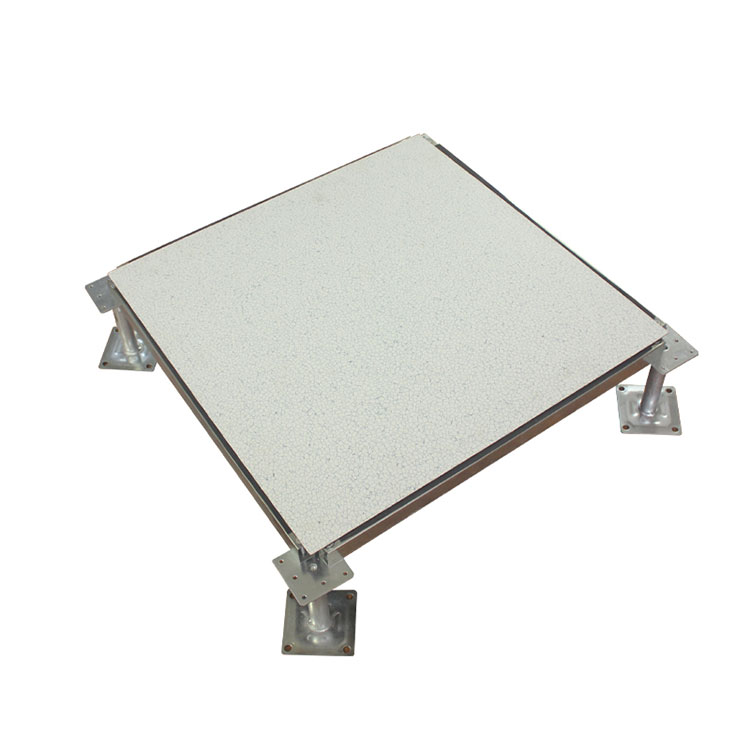
What Is an All Steel Anti-static Raised Access Floor?
An all steel anti-static raised access floor is a modular flooring system designed to provide a stable walking and equipment-supporting surface while creating an accessible space beneath the finished floor. It is commonly considered for data centers, server rooms, electronic manufacturing facilities, and other technical environments that require organized cable routing and electrostatic control.
The product described in this article uses high-quality alloy cold-rolled steel plates sourced from Shanghai Baosteel Group. The steel plates are formed through a deep-drawing process and spot welding. After phosphating, the surface receives a plastic coating, while the panel cavity is filled with foamed cement. The upper surface is finished with a wear-resistant anti-static high-pressure laminate (HPL) or PVC veneer, with conductive edge strips fitted around the panel.
This layered construction combines a formed steel structure with a filled panel cavity and a functional surface finish. The final performance of the flooring system depends on the complete panel design, support system, surface materials, installation quality, and the specifications of the selected product.
Why Do Data Centers Need Anti-static Raised Access Flooring?
Data centers contain sensitive electronic equipment and extensive power and data connections. Electrostatic discharge can be a concern when static charge accumulates on people, equipment, or nearby surfaces. An appropriately designed ESD flooring system can form part of a broader static-control strategy.
However, anti-static flooring alone does not guarantee complete protection for electronic equipment. Effective ESD control also depends on grounding and bonding, footwear, personnel procedures, environmental conditions, and other measures specified in the facility's electrostatic control plan.
Electrostatic Discharge Control
The anti-static surface and conductive edge strips are intended to support the management of static charge within a properly designed flooring system. Buyers should confirm the specified electrical resistance range, test method, and installation requirements for the selected HPL or PVC finish. The complete installed floor should be evaluated against the project's ESD requirements rather than relying only on the material description.
Underfloor Cable Management
A raised access floor creates space below the walking surface for compatible cables and building services. In data centers, this can help organize infrastructure and provide access for maintenance or future changes. The actual arrangement of power cables, data cables, and cooling services should be planned according to the facility design and applicable electrical and fire-safety requirements.
Support for Data Center Equipment
Server racks, battery systems, and other data center equipment can impose substantial loads on the floor. An all steel raised floor may be suitable for demanding applications when its verified load ratings, support structure, and installation details match the project requirements. Buyers should evaluate concentrated loads from rack feet or castors as well as overall loading conditions.
Key Factors When Choosing an All Steel Anti-static Raised Floor
Different data centers have different equipment layouts, maintenance requirements, and operating conditions. The following factors help project teams compare raised floor products and select a system that meets their technical requirements.
| Selection Factor | What to Check | Why It Matters |
|---|---|---|
| Panel Construction | Steel grade, panel structure, forming process, welding quality, and cavity filling. | Influences structural consistency, durability, and overall panel performance. |
| Load-Bearing Capacity | Concentrated load, uniform load, rolling load where applicable, and the supporting pedestal system. | Helps determine whether the floor can safely support the intended equipment and movement patterns. |
| ESD Performance | Surface material, electrical resistance specifications, test method, and grounding requirements. | Supports the facility's electrostatic control objectives when installed and maintained correctly. |
| Surface Finish | Anti-static HPL or PVC veneer, wear resistance, cleaning requirements, and appearance. | Affects surface durability, routine maintenance, and suitability for the working environment. |
| Panel Dimensions | Panel size, floor height, cutouts, access requirements, and compatibility with the grid layout. | Helps ensure efficient installation and coordination with other building systems. |
| Installation Quality | Pedestal layout, leveling, panel stability, grounding connections, and site inspection procedures. | Affects floor stability, service access, and the performance of the completed system. |
| Maintenance Requirements | Cleaning methods, panel replacement, access frequency, and inspection needs. | Helps facility teams plan maintenance and manage long-term operating costs. |
How Does All Steel Panel Construction Affect Performance?
The panel structure is one of the main considerations when comparing all steel anti-static raised access floors. Steel quality, forming accuracy, welding consistency, cavity filling, and surface treatment can all influence the finished panel's characteristics.
Deep-Drawn Steel Structure
Deep drawing forms the steel sheet into a designed panel profile. When properly engineered and manufactured, the formed structure can help provide rigidity and consistent geometry. Spot welding joins the relevant panel components, so process control and dimensional inspection are important parts of production quality.
OULI identifies its deep-drawn steel panel structure as a key product technology. When evaluating a specific model, data center designers should request technical drawings, construction details, and load-test documentation rather than assuming that every steel panel has the same performance.
Protective Surface Treatment
The described panel receives phosphating and a plastic surface coating on the steel structure. These processes form part of the surface protection system. Actual corrosion resistance depends on coating specifications, preparation quality, handling, the surrounding environment, and maintenance practices.
Foamed Cement Core
The panel cavity is filled with foamed cement according to the supplied product description. This forms part of the panel's overall construction. Buyers should compare the complete panel specifications and test results, including the panel's load performance and weight, when selecting a floor for a particular data center project.
Anti-static HPL or PVC Surface
The upper surface can use a wear-resistant anti-static HPL or PVC veneer. The choice should be based on the required electrical properties, abrasion resistance, cleaning procedures, appearance, and expected operating conditions. The two finishes should not be assumed to have identical electrical or mechanical characteristics; request the relevant technical data for each option.
Understanding Load Capacity for Data Center Raised Floors
Load capacity is a critical selection factor because data center equipment can place concentrated forces on relatively small areas of the floor. A floor that meets a general uniform-load requirement may not automatically be suitable for heavy rack feet, equipment castors, or frequent rolling movements.
Before selecting an all steel anti-static raised access floor, project teams should distinguish between several load measures:
- Concentrated load: The load applied at a specified point or through a defined loading block under the relevant test method.
- Uniform load: A load distributed over a specified area of the panel or flooring system.
- Rolling load: A test measure relevant to specified rolling equipment, wheels, and movement conditions.
- Ultimate load: A failure-related test result that is different from the allowable working load used for design.
These values depend on the testing method and should not be treated as interchangeable. The pedestal system, stringers where used, floor height, installation layout, and supporting subfloor can also influence the performance of the completed floor. Ask the supplier for product-specific test reports and have the project design reviewed against the actual equipment loads and applicable standards.
How to Select the Right Anti-static Surface for a Data Center
HPL and PVC are both available as surface options for the described all steel anti-static raised floor. The best choice depends on the project's technical specifications and maintenance needs rather than a universal preference for one material.
| Consideration | Anti-static HPL Veneer | Anti-static PVC Veneer |
|---|---|---|
| Surface Performance | Evaluate the specified wear resistance and electrical performance of the selected laminate. | Evaluate the specified wear resistance and electrical performance of the selected PVC finish. |
| Cleaning and Maintenance | Follow the supplier's recommended cleaning methods and chemical compatibility guidance. | Follow the supplier's recommended cleaning methods and chemical compatibility guidance. |
| ESD Requirements | Request the applicable resistance values and test reports for the specified product. | Request the applicable resistance values and test reports for the specified product. |
| Project Suitability | Select according to the project specification, expected traffic, and surface requirements. | Select according to the project specification, expected traffic, and surface requirements. |
For either surface type, buyers should verify electrical resistance, wear performance, cleaning compatibility, and any project-specific fire or environmental requirements. Surface performance can change with installation quality, contamination, cleaning products, and wear, so maintenance instructions should be included in the facility's operating plan.
Where Are All Steel Anti-static Raised Access Floors Used?
All steel anti-static raised access floors can be considered for a range of technical and commercial environments. The final product specification should match the requirements of each site.
- Hyperscale data centers and colocation facilities: Support organized floor layouts and underfloor access where the selected system meets equipment loading and ESD requirements.
- Server rooms and financial data rooms: Provide a modular floor surface and space for coordinated infrastructure in suitable installations.
- Electronic manufacturing workshops: Form part of a broader static-control strategy for areas handling sensitive electronic components.
- Semiconductor cleanrooms: May be considered when the selected flooring system meets cleanliness, ESD, load, and process requirements.
- Pharmaceutical facilities and precision laboratories: Require careful evaluation of cleaning procedures, surface compatibility, contamination control, and applicable facility standards.
- Commercial and technical buildings: Can support organized service access and adaptable floor layouts where a raised access system is appropriate.
Not every raised floor product is suitable for every cleanroom, pharmaceutical, or data center environment. Confirm relevant project specifications, environmental conditions, load ratings, and compliance requirements before finalizing the design.
Why Choose OULI All Steel Anti-static Raised Access Flooring?
OULI is the flagship brand of Guangdong Huahong Raised Access Floor Co., Ltd., established in March 2019 and headquartered in Dongcheng District, Dongguan, Guangdong Province, China. The company integrates research and development, precision manufacturing, custom processing, global sales, and professional on-site installation services for raised access flooring projects.
The company's core focus is anti-static raised access floor systems for data centers, electronic manufacturing, cleanrooms, laboratories, and other environments with demanding flooring requirements. OULI identifies its deep-drawn steel panel structure and surface treatment technology as key elements of its product development.
According to the supplied company information, Huahong was awarded the title of National Science and Technology Enterprise of China in 2025. Buyers evaluating this credential should request the relevant official documentation if it is part of their supplier qualification process.
Integrated Manufacturing and Project Support
Huahong combines product development, manufacturing, custom processing, sales, and installation services. For project owners and contractors, working with a supplier that can coordinate product specifications and installation planning can help streamline communication from procurement through site delivery.
Solutions for Mission-critical Environments
OULI flooring systems are supplied for applications including data centers, colocation facilities, electronic manufacturing workshops, semiconductor cleanrooms, pharmaceutical facilities, laboratories, and financial data rooms. For each project, the required panel type, surface finish, support structure, electrical performance, and load ratings should be confirmed against the project specification.
Project Experience
Huahong reports that it has delivered solutions for more than 300 government, enterprise, and commercial clients worldwide. Its company profile lists projects associated with Guangzhou Baiyun International Airport, Shenzhen Bao'an International Airport, Dongguan Humen High-Speed Railway Station, Hong Kong Police Headquarters, and Agricultural Bank of China.
For formal tenders or technical approval, buyers should request project references and supporting documentation relevant to the particular product and installation scope being considered.
Product Liability Coverage
According to the company's supplied information, its self-developed prefabricated modular anti-static raised floor series is covered by product liability insurance underwritten by the People's Insurance Company of China (PICC). The specific covered products, policy scope, territorial coverage, and applicable conditions should be confirmed through current policy documentation.
What Should Buyers Check When Sourcing Raised Floors from China?
International buyers sourcing all steel anti-static raised access floors from China should assess technical performance, manufacturing consistency, installation support, and the supplier's ability to meet project documentation requirements. A structured review can help reduce specification gaps and procurement risks.
- Product specifications: Request panel dimensions, steel construction details, surface options, panel weight, and installation requirements.
- Load test reports: Verify concentrated, uniform, and rolling load results where applicable, including the test method and product configuration.
- ESD documentation: Request electrical resistance specifications, test methods, and relevant reports for the selected surface and installed system.
- Manufacturing quality: Ask about forming, welding, coating, cavity filling, dimensional inspection, and production quality controls.
- Installation capability: Confirm whether the supplier can provide technical guidance, installation drawings, site installation, or other project support required by the contract.
- Project references: Review relevant case studies and confirm that previous installations are comparable to the intended application.
- Documentation and insurance: Request current certificates, warranty terms, and insurance documents where these are necessary for project approval.
- Commercial terms: Confirm order quantities, production lead times, packaging, shipping arrangements, spare panel availability, and after-sales responsibilities.
Comparing suppliers against the same technical specification makes quotations easier to evaluate. It also helps buyers distinguish between a low initial purchase price and a flooring solution that meets the project's full operational requirements.
Frequently Asked Questions About All Steel Anti-static Raised Access Floors
What is an all steel anti-static raised access floor?
It is a modular raised flooring system that uses a steel panel structure and an anti-static surface finish to provide an accessible underfloor space and support electrostatic control when correctly installed and grounded.
Why are anti-static raised floors used in data centers?
They can help form part of an ESD control strategy while providing access space for selected cables and building services. Their load performance and layout must also match the data center's equipment and maintenance requirements.
What materials are used in OULI all steel anti-static floor panels?
The described panel uses alloy cold-rolled steel plates, a formed and spot-welded structure, phosphating and plastic surface treatment, a foamed cement-filled cavity, and an anti-static HPL or PVC veneer with conductive edge strips.
How do I choose the load capacity for a data center raised floor?
Review the concentrated and uniform loads, rolling loads where applicable, equipment footprint, support system, floor height, and project design requirements. Use product-specific test documentation and qualified engineering review to confirm suitability.
Is HPL or PVC better for an anti-static raised floor?
Neither option is universally better. The appropriate finish depends on the required electrical properties, wear performance, cleaning procedures, project specification, and operating environment. Compare the technical data for the exact products being considered.
Can an anti-static raised floor completely prevent ESD damage?
No. Flooring is one part of an ESD control program. Grounding, bonding, personnel procedures, footwear, environmental conditions, and other protective measures also influence electrostatic risk.
Does OULI provide raised floor installation services?
Guangdong Huahong Raised Access Floor Co., Ltd. describes its business as integrating manufacturing with professional on-site installation services. Confirm service availability, project scope, and site requirements for your location.
What information should I provide when requesting a raised floor quotation?
Provide the project location, floor area, required floor height, panel dimensions, equipment load requirements, preferred HPL or PVC finish, ESD specifications, installation scope, and any applicable fire, environmental, or compliance requirements.
Contact OULI for All Steel Anti-static Raised Floor Solutions
Choosing the right all steel anti-static raised access floor requires a balance of structural performance, ESD requirements, surface durability, installation quality, and long-term maintenance needs. Data center owners and engineering contractors should verify the technical specifications of the complete installed system before making a final decision.
Guangdong Huahong Raised Access Floor Co., Ltd. develops and supplies OULI anti-static raised access flooring systems for data centers, electronic manufacturing facilities, cleanrooms, laboratories, and other technical environments. With integrated manufacturing and project support capabilities, we work with customers to evaluate product requirements and develop suitable raised flooring solutions.
Contact OULI to request product specifications, discuss project requirements, and explore all steel anti-static raised access floor options for your next data center or commercial construction project.